November 24, 2026
Getting into a car crash is a stressful experience that leaves you wondering how your vehicle will look normal again. When you see crumpled metal and shattered glass, the damage appears irreversible. Fortunately, modern vehicle repair is a systematic process driven by advanced technology and skilled technicians. The journey from a wrecked car to a pristine vehicle requires specific stages to ensure cosmetic appeal and structural safety. Finding the right professionals to handle this restoration can alleviate much of the anxiety associated with the aftermath of an accident.
Repairing a damaged vehicle involves more than pounding out dents. Technicians follow strict protocols established by manufacturers to restore the car. Every step relies on precise measurements and specialized equipment. Understanding the methods used during repairs clarifies what happens next. Leaving your car at a reputable auto body shop places it in professional hands.
Conducting a Multi-Point Damage Assessment and Estimate
The restoration process begins when your vehicle arrives. An estimator visually inspects the exterior panels, checking for deep scratches, creases, and misaligned seams. They take photographs from various angles to document the visible damage for insurance purposes. This walk-around provides a baseline understanding of what parts require immediate replacement. They also check the operation of doors and the hood to see if the impact shifted any hinges.
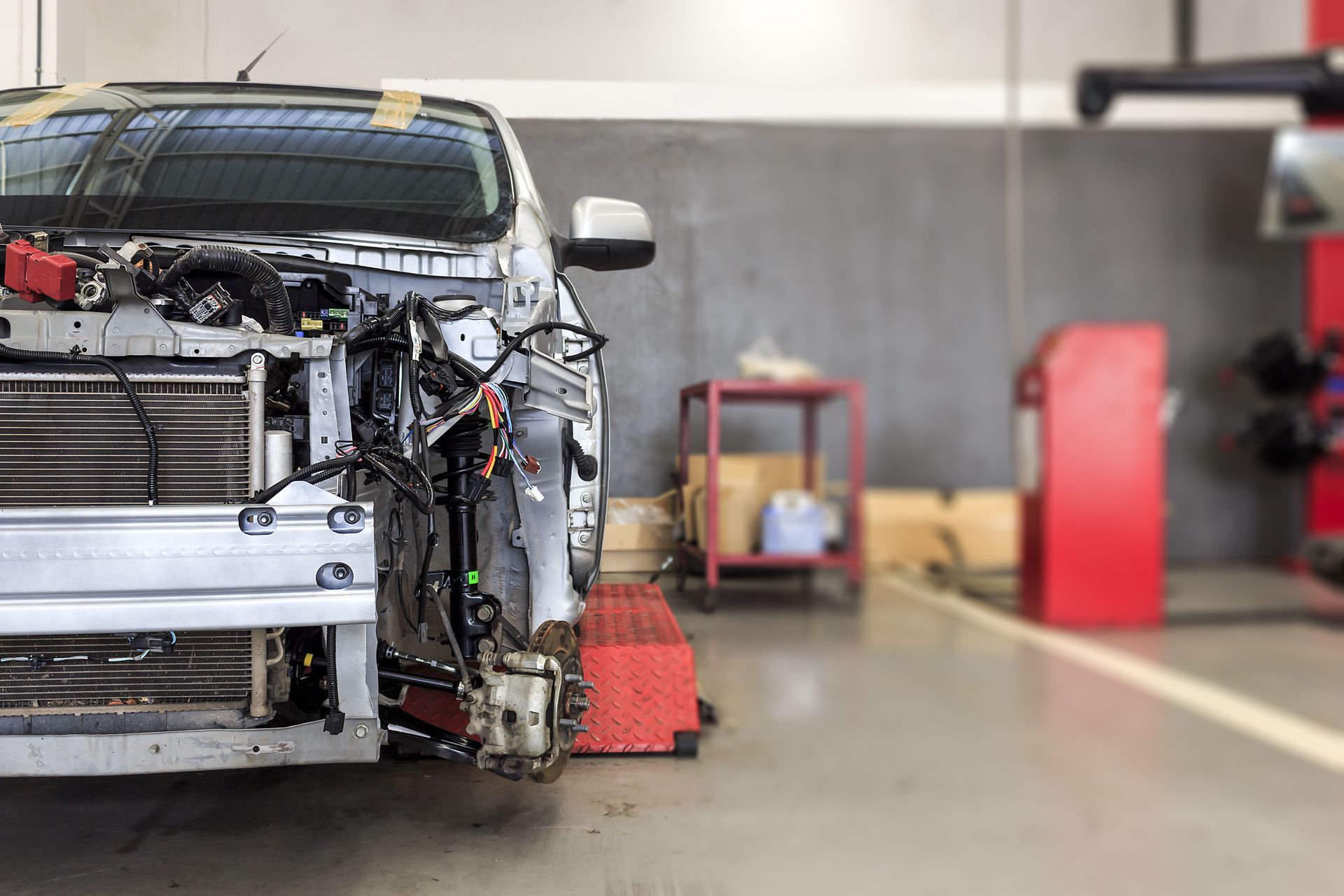
After the surface inspection, technicians dismantle parts of the vehicle to uncover hidden issues. Removing bumper covers, fenders, and interior trim reveals the underlying structure. Impact force frequently travels through the chassis, causing internal components to bend even when the outer skin looks unharmed. Tearing down the affected areas helps the repair team identify bent brackets and crushed crumple zones that were not visually apparent.
Once they've identified all broken components, they compile a detailed repair plan. This document outlines required labor hours, replacement parts, and paint materials. Staff communicates this plan to the vehicle owner and insurance provider for approval. The auto body shop ensures all parties agree on the scope of work before ordering original equipment manufacturer parts to guarantee proper fitment.
Realigning the Structural Frame to Factory Dimensions
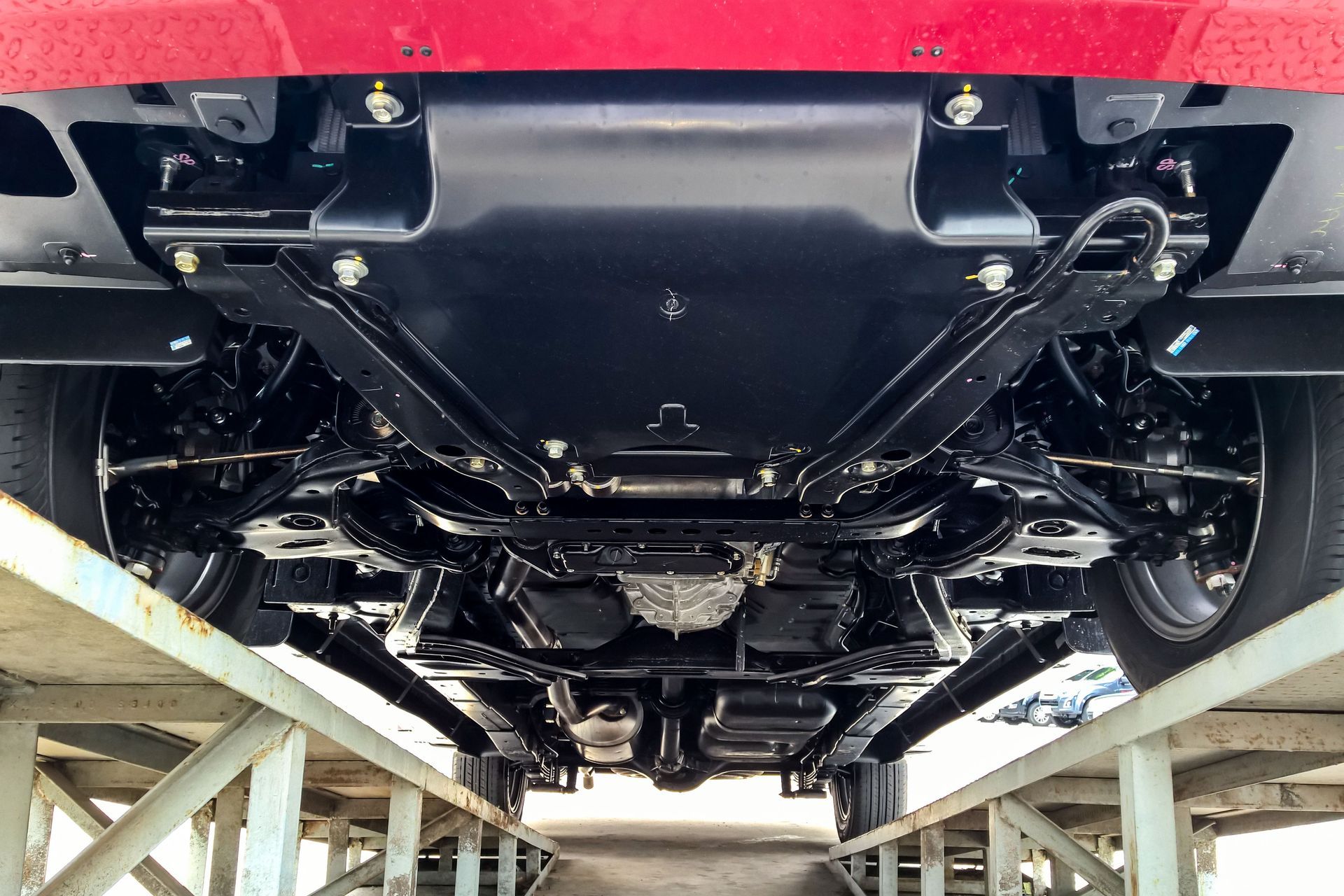
Modern vehicles feature unibody construction, meaning the frame and body act as a single unit. During a collision, the force easily twists this structure out of its original shape. Correcting this framework is critical because the chassis dictates how the car handles on the road. Technicians secure the vehicle to a specialized rack to begin the straightening process safely.
The repair rack uses powerful hydraulic arms to pull the crushed metal back into position. Because guessing the correct alignment is dangerous, technicians rely on computerized measuring systems. These machines utilize lasers to scan reference points underneath the chassis, comparing the car's current shape to the manufacturer's specifications. The computer displays a three-dimensional model highlighting the areas requiring adjustment.
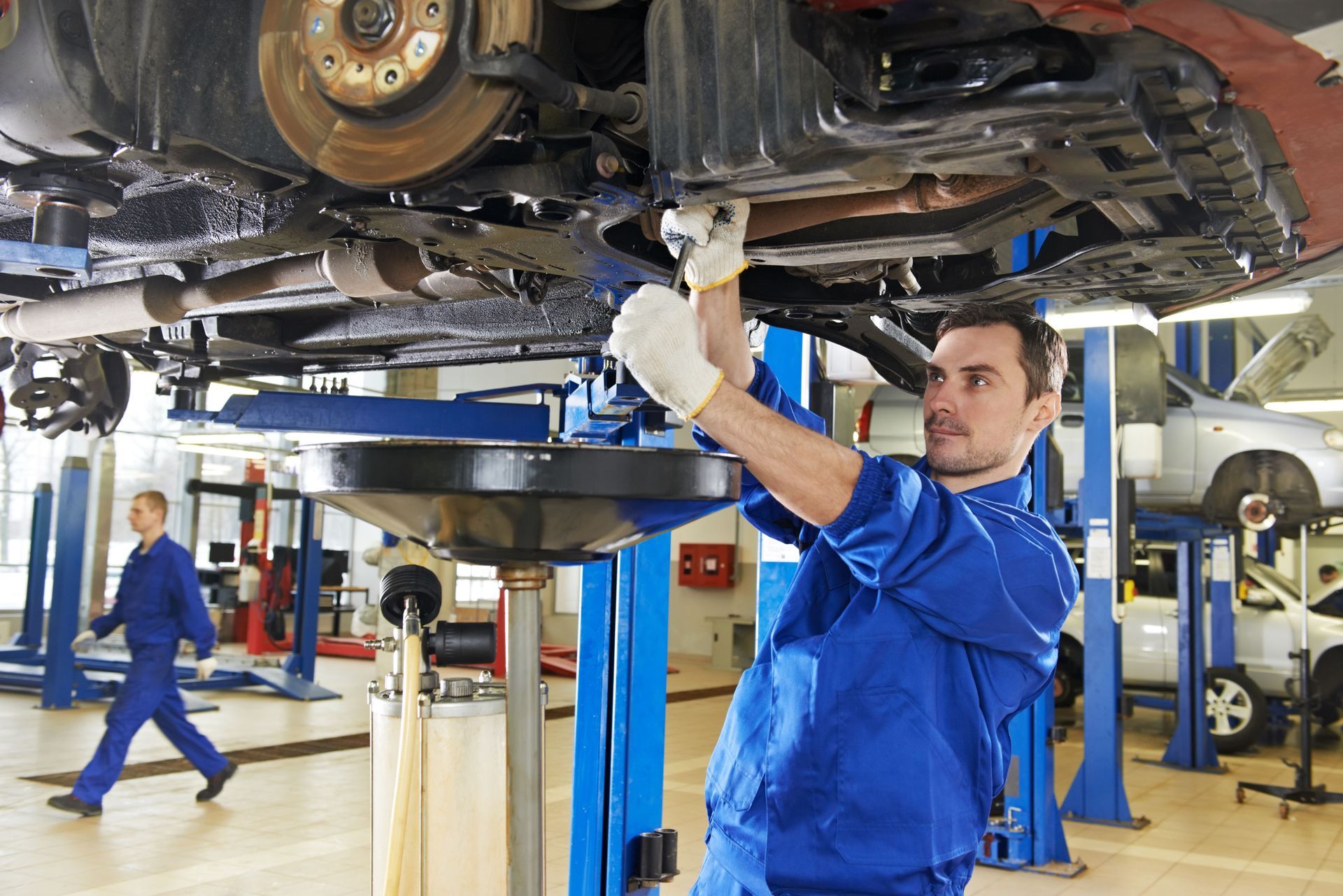
The hydraulic pulling system applies thousands of pounds of pressure to stretch the metal. Technicians monitor the laser sensors continuously, adjusting the tension until the chassis matches the factory dimensions. This process ensures that the suspension components mount correctly and that the wheels align properly. If the frame's slightly bent, the car will suffer from drivability issues and uneven tire wear.
The professionals who handle these hydraulic machines undergo rigorous training. According to the U.S. Bureau of Labor Statistics, about 60% of automotive body and related repairers worked in automotive body, paint, interior, and glass repair businesses in 2025. These workers apply their mechanical knowledge daily to ensure bent frames regain their structural integrity. They carefully weld any torn metal seams, restoring chassis strength.
Repairing Body Panels and Matching Original Paint Finishes
With the frame aligned, the focus shifts to the exterior shell of the vehicle. Technicians evaluate each damaged panel to determine if they'll repair or replace it. For minor dents, they utilize specialized tools to massage the metal back into its contour. If a panel suffered from severe creases, the facility installs a replacement part from the manufacturer to maintain structural integrity.
After fitting the new or repaired panels, preparation for paint begins. Workers sand the surface to remove old paint, primer, and clear coat. They apply body filler to microscopic imperfections, sanding it to create a flawless transition between surfaces. A layer of primer is sprayed over the bare metal and filler to provide a foundation for the new colored paint.
Matching the new color to the existing exterior is a highly technical process. Every vehicle has a specific color code, but sunlight exposure causes the original paint to fade over time. A skilled painter at an auto body shop uses a computerized spectrophotometer to analyze the current hue. They blend various toners and metallic flakes to create a custom mix that seamlessly blends with the aged factory finish.
The application happens inside a climate-controlled spray booth to prevent dust from ruining the finish. The painter applies thin coats of the custom base color, followed by a durable clear coat that provides a glossy shine. Once dry, technicians wet sand and polish the newly painted sections to match the texture and sheen of adjacent panels.
Performing Final Safety Recalibrations and Quality Checks
Restoring a vehicle requires substantial electrical and software work alongside metal and paint repairs. Modern cars feature a network of cameras, radar sensors, and ultrasonic detectors mounted in bumpers, mirrors, and windshields. These components feed data to driver assistance systems like automatic emergency braking. During a crash, these delicate sensors often sustain damage or shift out of their precise mounting locations.
After the exterior panels are painted and installed, technicians must recalibrate every sensor so the safety systems function properly. A vehicle returning from an auto body shop without properly aimed cameras could misinterpret distances, resulting in a failure to brake. Technicians place specific targets on the floor around the vehicle and connect a diagnostic computer to the onboard software.
Following the digital recalibration, the vehicle undergoes a comprehensive physical reassembly. Workers reinstall the interior trim, connect the battery, and replace any shattered window glass. They check the functionality of the headlights, taillights, power windows, and door locks. The team inspects the panel gaps to verify that the hood, trunk, and doors open and close smoothly without rubbing against adjacent metal components.
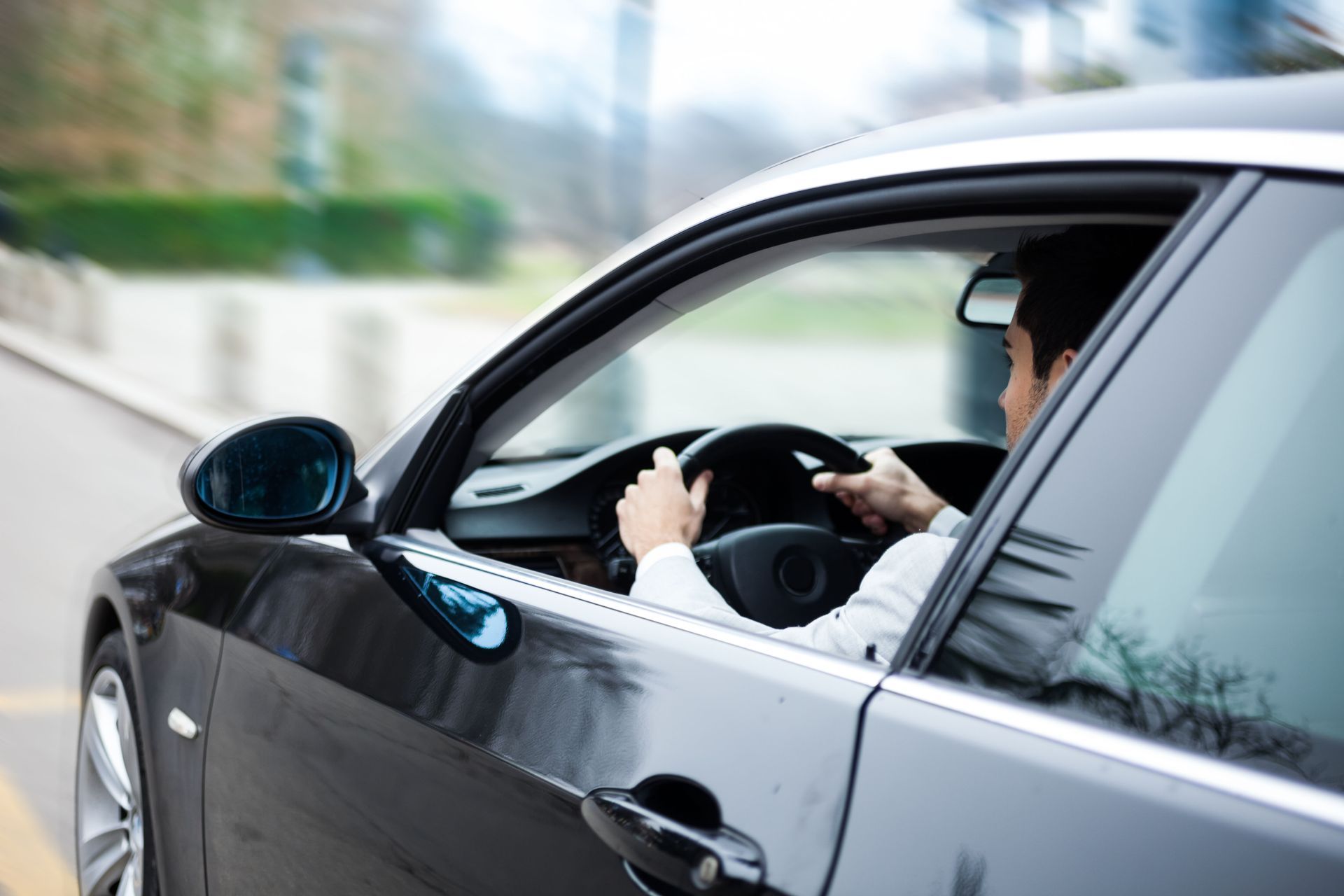
The final step involves a test drive and a detailing session. A lead technician drives the car on local roads to verify that the suspension feels tight, the steering wheel is straight, and there are no unusual noises. Upon returning, the staff washes the exterior, vacuums the interior, and wipes down all surfaces before handing over the keys.
From the initial teardown to the final sensor calibration, each phase demands specific tools and mechanical knowledge. A dedicated repair facility prioritizes your safety by adhering to the strict repair guidelines set forth by the manufacturer to protect your family.
The goal is to make the collision a distant memory. By aligning the chassis, matching the custom paint, and verifying the electrical systems, technicians deliver a vehicle that is structurally sound and visually appealing. You should feel confident that it's ready to handle the demands of the road. If you need your vehicle restored after a collision, contact S & M Auto Paint & Body Shop Inc to schedule your repair estimate with a dedicated auto body shop.